Face-Framing Layers: Who They Suit and How to Ask
Face-framing layers are shorter pieces cut around the front of the face. They suit every face shape; what changes is where the first layer starts: cheekbones, chin or jaw.
By the Beautify team7 min read
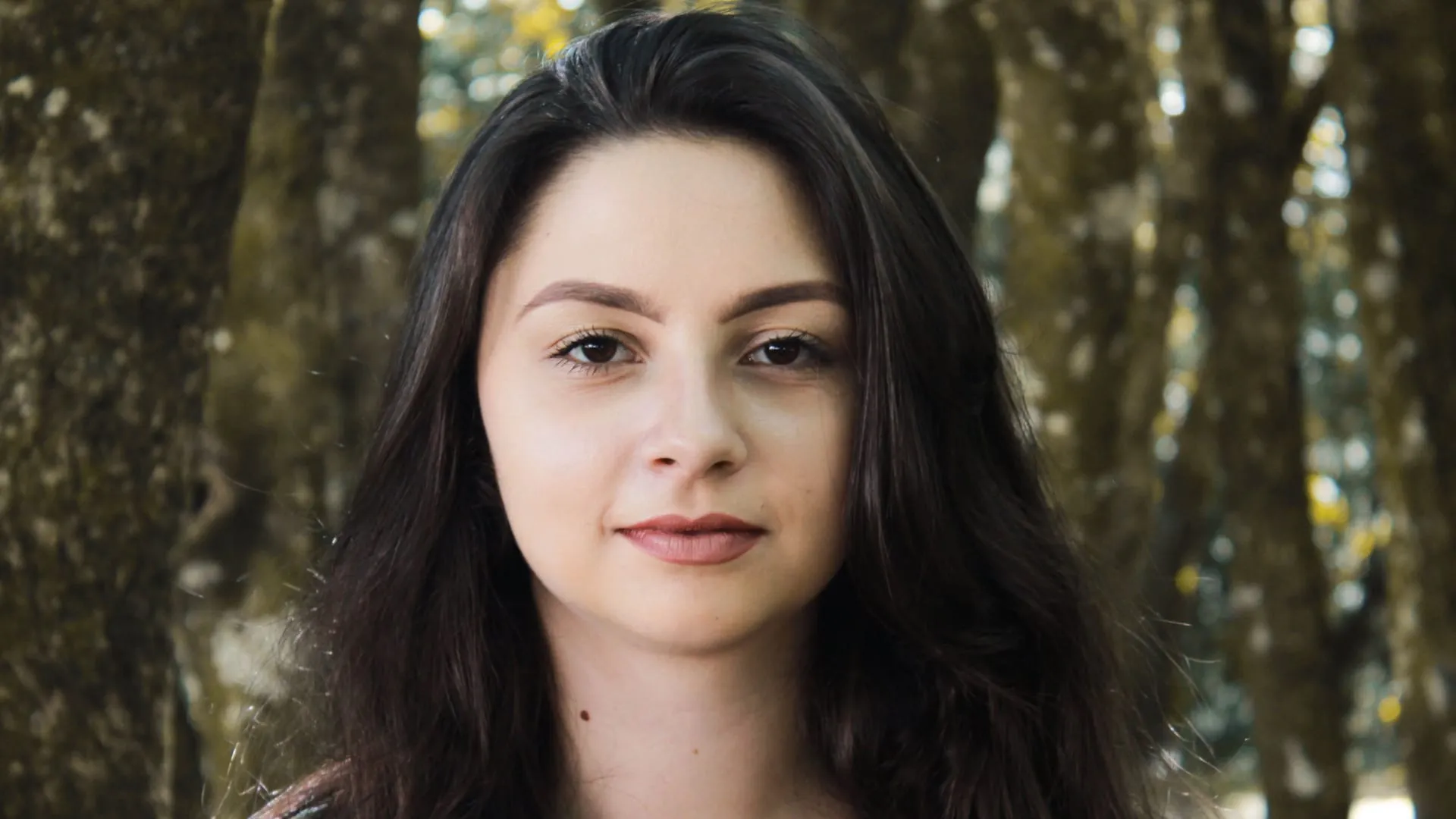
Face-framing layers suit almost everyone, on almost any length and texture of hair. They are a small change, just the front pieces, but they decide where the eye lands on your face, so the one detail worth getting right is where the shortest layer starts.
This guide is for anyone who wants more shape around the face without a full restyle or a fringe. It explains what face-framing layers are, where the first layer should start for each face shape, how they work on fine, thick, curly and short hair, how to ask a stylist for them, how to style them, and how they compare with curtain bangs.
What are face-framing layers?
Face-framing layers are shorter lengths of hair cut around the front of the face, usually starting somewhere between the cheekbones and the collarbone and getting gradually longer toward the back. L’Oréal Paris describes them as cutting the hair into tiers around the face to define and frame your features.
Unlike an all-over layered cut, face-framing layers only change the front section. The rest of your hair can stay one length. That makes them a low-commitment way to add movement, soften a blunt cut or highlight your cheekbones, eyes or jaw.
Where should face-framing layers start for my face shape?
The first face-framing layer should start where you want to draw attention, and away from where you want to add width: around the cheekbones for oval faces, below the chin for round faces, at or below the jaw for square faces, and around the chin for heart and diamond faces. If you do not know your shape yet, the face shape guide explains how to measure it.
| Face shape | Where the first layer starts | Why |
|---|---|---|
| Oval | Cheekbones or chin | Shows off the widest point and keeps the balance |
| Round | Just below the chin | Creates long, vertical lines that add length |
| Square | At or below the jaw, with soft ends | Curves contrast with straight jaw angles |
| Heart | Chin level | Adds width where the face narrows |
| Oblong | Cheekbones, with volume at the sides | Adds width to balance length |
| Diamond | Below the cheekbones, around the chin | Fills out a narrow jaw without widening the cheekbones |
Oval. An oval face suits layers that start at the cheekbones or chin, sweeping away from the face. NewBeauty recommends feathering layers away from the face for a soft, flowing look on oval faces.
Round. Start the first layer just below the chin. Celebrity hairstylist Kylee Heath told NewBeauty that “for a round face, layers that start just below the chin can help elongate the face.” Layers that start at the cheeks add width where a round face is already widest.
Square. Start the layers at the jaw or just below, with soft, feathered ends rather than a blunt edge. Avoid a layer that ends exactly at the jaw corners, which draws a horizontal line across the widest angle.
Heart. Start layers at the chin, so the fullness sits where the face tapers. Pair them with side-swept or curtain bangs to narrow a wider forehead.
Oblong. Start layers at the cheekbones and ask for them to be styled out toward the sides. The goal is width, not more length, so avoid long, flat layers that fall straight down.
Diamond. Start below the cheekbones, around the chin. L’Oréal Paris suggests medium-to-long layers below the cheekbones for diamond faces, which keeps volume away from the widest point and adds it at the jaw.
Do face-framing layers work on fine, thick and curly hair?
Face-framing layers work on every hair type, but the amount of hair removed and how the ends are cut should change with texture. Kylee Heath told NewBeauty to consider your hair type and texture, and how likely you are to style your hair, when deciding on the layers.
- Fine or thin hair: Ask for fewer, longer layers and no heavy thinning. Stylist Raven Hurtado warns in NewBeauty that over-thinning or texturizing fine hair leaves the ends wispy. Keep the first layer at the chin or longer so the front still looks full.
- Thick hair: Layers remove weight, so the front moves instead of sitting in a heavy block. Ask for some internal texturizing so the layers do not puff out.
- Curly and coily hair: Ask for the layers to be cut dry, curl by curl, so you can see where each curl sits. Expect shrinkage: a layer cut at the chin on wet hair can spring up to the cheekbones.
- Wavy hair: Face-framing layers bring out the wave because there is less weight pulling it down. Diffusing or scrunching the front pieces shows them off.
- Short hair: On a bob or lob, the layers are subtle, often one shorter piece angled toward the jaw.
How do I ask my stylist for face-framing layers?
Ask for face-framing layers by naming where the shortest piece should fall (for example “starting at my chin”) and showing two or three photos of the result on someone with a similar hair texture and length. Those two details remove most of the guesswork.
Useful words and details:
- Length words: “cheekbone length,” “chin length,” “jaw length,” “collarbone length.” Point to the spot on your face.
- Shape words: “soft and feathered” for blended layers, “swoopy” or “flicked out” for 90s-style layers, “subtle” if you want them to disappear into your hair when it is tied back.
- How many: Ask whether the stylist will cut one or two shorter pieces or a longer stack of layers.
- Your routine: Say whether you air-dry, blow-dry or straighten most days, and how long you spend. Layers that need a round brush every morning will not suit an air-dry routine.
- Partings: Show where you part your hair, so the layers fall correctly on both sides.
Start a little longer than you think you want. A stylist can always take the layers shorter at the end of the appointment, but they cannot add length back.
How do I style face-framing layers?
Style face-framing layers by drying the front pieces away from your face, so they open up and curve outward rather than falling flat against your cheeks. A few minutes on just the front section is enough.
- Apply a heat protectant to damp hair.
- Rough-dry the rest of your hair, then dry the front pieces with a round brush, rolling them back and away from your face.
- For a quicker version, twist each front section away from the face while drying, or use a large velcro roller for a few minutes.
- On curly or wavy hair, scrunch in a curl cream and diffuse, lifting the front pieces up and back.
- Finish with a light texture spray or a drop of hair oil on the ends.
A flat iron also works: clamp near the root and bend the iron away from the face as you glide down. L’Oréal Paris suggests curling the ends with a wide-barrel iron for a softer finish.
Face-framing layers vs curtain bangs: what is the difference?
Face-framing layers start at the cheekbones or lower and frame the sides of the face, while curtain bangs start higher, around the brows or upper cheekbones, and part in the middle over the forehead. Stylist Jess Elbaum makes this distinction in Vogue’s curtain bangs guide: face-framing layers hit at the cheekbone or lower, while curtain bangs create a more symmetrical look.
| Face-framing layers | Curtain bangs | |
|---|---|---|
| Where they start | Cheekbones to collarbone | Brows to upper cheekbones |
| Cover the forehead? | No | Partly, at the sides |
| Styling time | Low; optional | Daily, usually a quick blow-dry |
| Upkeep | Every regular haircut | Fringe trims every few weeks |
| Grow-out | Easy | Easy; they turn into face-framing layers |
The two work well together. Curtain bangs blend into face-framing layers, which is one of the most requested combinations. If you are not ready for any kind of fringe, face-framing layers are the lower-commitment option.
Where does Beautify fit?
Beautify for iPhone helps with the first step, knowing your face shape. From one selfie, Your Characteristics names your face shape (oval, round, square, heart or oblong) with haircut tips for it, and the Glow Up Guide includes a hairstyle step. A diamond face usually reads as the closest of those five, so check the diamond notes above if your cheekbones are your widest point. You can ask the AI beauty assistant follow-up questions, such as how to style layers on wavy hair. Beautify does not do virtual try-on, so it cannot show you with a new cut. A stylist consultation is the best way to see what will work, and a free mirror test (pull your hair back and compare forehead, cheekbone and jaw width) gives you a starting point.
What matters most?
- Face-framing layers are shorter pieces around the front of the face, and they suit every face shape and hair type.
- Where the first layer starts is the key decision: cheekbones for oval and oblong faces, below the chin for round faces, at or below the jaw for square faces, around the chin for heart and diamond faces.
- Bring photos, name the length on your face and tell your stylist how you style your hair.
- Choose curtain bangs if you want to cover part of your forehead; choose face-framing layers if you want shape without a fringe.
Questions people ask
Do face-framing layers work on short hair?
Yes. On a bob or lob, face-framing layers are usually subtle, a slightly shorter piece at the front that angles toward the jaw. They add movement without changing the overall length.
How long do face-framing layers take to grow out?
Because they are only a few pieces at the front, they blend back into the rest of your hair as it grows. Ask your stylist to keep the ends soft and to blend them into longer layers at each cut until the lengths even out.
Can I wear face-framing layers in a ponytail?
Yes, and many people like them for exactly that reason. The shorter front pieces fall out of a ponytail or bun and frame the face. If you want them to stay up, keep the first layer at the chin or longer.
Sources
- Tatiana Bido, The Best Face-Framing Layered Haircuts to Upgrade Your Look (NewBeauty, 2024)
- Naydeline Mejia, 20 Layered Hairstyles We Can't Get Enough Of (L'Oréal Paris, 2024)
- Lauren Valenti and Audrey Noble, A Definitive Guide to Curtain Bangs for All Face Shapes and Hair Textures (Vogue Philippines, 2025)